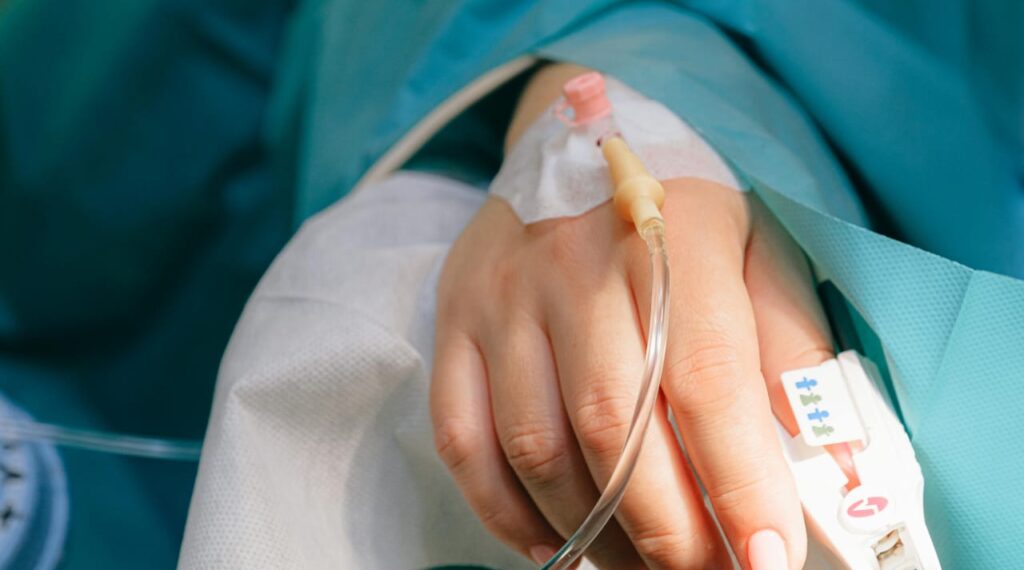
Aging is a fate we all have to accept – but how well we look after our elderly speaks volumes about us as a nation. India, along with many other nations, is witnessing an explosive growth in its elderly population. As per recent estimates, by the year 2050, there will be one Indian aged above 60 years out of every five Indians. This demographic change is both a challenge and an opportunity – but currently, our systems are running behind.
I have always been very curious to know how societies care for their elderly generations. In India, we are known to honor our tradition of respect for elders. Grandparents traditionally live with their children and grandchildren in the same house, sharing family memories, love, and wisdom. But with cities growing, families shrinking, and children migrating away from homes to work, our elderly are progressively left without the same kind of day-to-day care and companionship they had before. It is here that I see South Korea’s elder care strategy really touching the heart. Though like all of us, South Korea also had to contend with the challenges of aging and shifting family patterns, it has come a long way in establishing a strong elder care infrastructure blending cultural sensitivity with technological advancements. As a prospective student of healthcare, I think India has much to learn from South Korea’s model – to ensure our elderly not just live longer, but better as well
Community Care Systems: Beyond the Family
Both South Korea and India used to count on extended families to take care of the elderly. But with urbanization and modernization, the traditional support systems have frayed. South Korea addressed this change by evolving community-based elder care centers, senior welfare centers, and neighborhood day-care programs where the elderly can meet, socialize, and undergo medical check-ups or therapy.
For instance, most Korean cities operate “Senior Citizens’ Centers” — tiny local halls providing meals, health checks, and such activities as dance, handicrafts, or exercise classes. This keeps the elderly both mentally and physically active, and on their feet — one of the most significant dangers for the elderly. In India, while we do have a few old-age homes and clubs for the elderly, they are much fewer in number and not easily accessible to individuals in the smaller towns or rural areas. By investing in additional localcommunity centers modelled after the Korean approach, India can enable older adults to stay connected, engaged, and taken care of — without losing their sense of community
Integrated Healthcare and Rehabilitation
Another field where South Korea is better is in blending elder care with primary healthcare. Their system provides convenient access to annual health check-ups, screening tests, physiotherapy, and mental health services for seniors. Rehabilitation is no longer solely hospital-based — community nurses and therapists regularly visit elderly patients in their homes to keep track of their progress and assist families. Even with great doctors and nurses in India, access to geriatric healthcare and rehabilitation remains limited,
particularly in rural India. Most older adults forego follow-up appointments due to cost, distance, or unawareness — resulting in avoidable complications. If India would imitate Korea’s model of integrating hospitals, neighborhood clinics, and home care, we could ensure elder care is more continuous and accessible.
A Cultural Foundation
While systems and technology are important, what inspires me most about South Korea is how they blend modern elder care with cultural respect. Elders are still seen as pillars of the community. Many government programs focus on keeping them involved through volunteering, mentoring, or community leadership. This helps seniors feel valued and included, which is just as important as medical care. In India, we already have the cultural underpinnings to respect elders. If we superimpose the supporting systems of today over this foundation, we can create an elder care model that is future-ready but also grounded in tradition
Technology: Empowering Independent Living
Perhaps the most impressive thing about South Korea’s elder care is its integration of technology. From basic monitoring devices that sense falls or suspicious movements, to intelligent pill dispensers that alert the elderly to take their medication, technology is very much involved in allowing older persons to stay independently for as long as they can. Even simple home adaptations — such as anti-slip flooring, handrails, or intelligent alarms — can be life transforming. These measures alleviate the workload for family members, while granting older persons greater freedom and independence.
In India, assistive technology is not very old yet andtends to be costly. But with low-cost, cutting-edgesolutions and government initiatives, we can bring inaffordable devices and smart home solutions forseniors. In a nation as large as ours, even marginaldifferences can make a difference to millions of people.
Why This Inspires Me
As someone who wants to pursue a healthcare career, I feel a deep sense of responsibility to help shape a better future for India’s elderly. My own family has taught me the importance of caring for elders with love and patience, but seeing the gaps in our current system has made me determined to learn how other countries tackle this challenge. South Korea’s approach shows that with the right blend of community support, healthcare integration, and technology, we can help older adults live safer, happier, and more independent lives. That is why I am determined to study healthcare and elder care in South Korea – so that one day, I can help bring the best ideas and practices back home. I hope more young people, policymakers, and communities in India will look to countries like South Korea for inspiration and work together to ensure our seniors receive the dignity, care, and respect they truly deserve.
